
Sustainable Metal & Plastic Upcycling Methods
In the previous summer, I witnessed a transformation at a Bishan HDB balcony. A hobbyist designer, equipped with materials from HardwareCity and local bazaars, turned used PET bottles into herb-growing planters. The bottles were cut, painted, and wired to a reclaimed steel frame. This initiative cut kitchen waste as well and brightened a small area using vibrant planters.
This small project highlights why Advance Recycling – upcycling matters in Singapore. World Bank projections indicate ~3.4B tonnes of global waste by 2050, with plastics as a key contributor. Global plastic recycling hovers near 9%. Household upcycling offers a practical solution, lowering landfill inputs, reducing carbon output, and yielding one-of-a-kind, useful pieces.
Beyond waste cuts, upcycling, it saves money while encouraging creativity. Turning PET into planters or reusing aluminium for lamp shades, we use eco-friendly materials and prolong the life of items. Here we guide makers and small businesses to expand upcycling operations, to make meaningful impact.
Key Takeaways
- Waste becomes higher-value products via eco-friendly upcycling.
- Small projects reduce plastic and support a local circular economy.
- Sustainable crafting saves money and encourages creative, long-lasting design.
- Plastic & metal upcycling complements recycling and cuts lifecycle emissions.
- Local sources and partnerships make scaling feasible for artisans and small firms.
Upcycling vs. Recycling: What’s the Difference
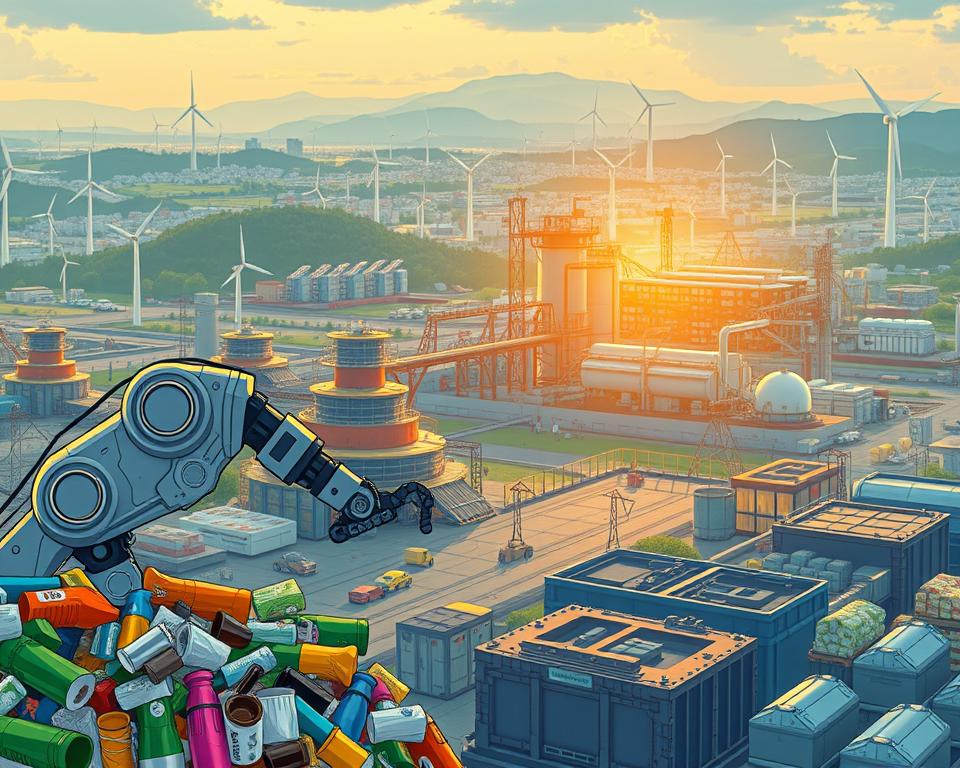
Upcycling repurposes used items into higher-value pieces without full reprocessing. A PET bottle can become a planter or lamp, illustrating the creativity of plastic upcycling. Conversely, metal upcycling converts scrap aluminium/steel into durable furniture or fixtures.
Definition and core principles
At its core, upcycling is about creative reuse, repair, and redesign to extend an item’s life. It keeps materials intact, adds value, and limits virgin inputs. This approach favors local, low-energy methods, reducing waste at the source.
Upcycling vs. Recycling: Process & Value
Recycling collects, sorts, cleans, and industrially processes materials into pellets. By contrast, upcycling repurposes items directly for higher perceived value at lower energy. This difference in intent and energy use sets upcycling apart from recycling.
For households, curbside recycling routes plastics to reprocessors. Upcycling instead becomes storage, planters, or art via simple tools. Metal upcycling keeps the shape and surface of metals, creating durable, unique pieces with local skills.
Why upcycling matters for waste reduction and carbon footprint
Upcycling usually needs less energy than recycling or new manufacture. Design strongly affects environmental outcomes. By choosing upcycling, households in Singapore can reduce landfill volumes and lower demand for virgin materials.
Given that only a small fraction of plastics is recycled globally, upcycling helps curb plastic waste in landfills and oceans. Upcycling metals cuts energy use in Al/steel production and reduces GHGs.
The best outcomes come from upcycling plus targeted recycling. Use recycling for items that require industrial recovery. Upcycle items suitable for minimal processing to support circular economy goals.
Plastic Types & Upcycling Potential
Knowing resin codes helps makers/businesses choose proper materials. Locally, many bottles/rigids are accepted, films/foams usually are not. Identifying your plastics is essential for successful upcycling and lower contamination.
Common Resins & Recyclability
PET is widely recycled and found in bottles and some fabrics. HDPE offers strength/UV resistance and broad acceptance. PP can be recyclable; acceptance differs locally. LDPE films and PS foam are often not taken in curbside streams and need special collection or creative reuse. PVC/engineering plastics are rarely curbside-recyclable.
Which plastics work best for upcycling
Home and small-batch work benefits from PET/HDPE predictability and potential food safety. PP suits durable goods and components if local recycling allows it. LDPE and PS make good candidates for craft upcycling when processing is manual, such as cutting, sewing, or melting with proper ventilation.
Match repurposed materials to intended use. Do not use contaminated containers for food unless safety is verified. Design longevity increases benefits and lowers replacement needs.
LCA Considerations for Upcycled Goods
LCA compares upcycled items with new alternatives. Benefits appear when items last longer and avoid energy-intensive steps. Include cleaning, transport, and thermal steps in energy/emissions.
Material selection affects the LCA outcome. Using repurposed materials like PET bottles for planters or HDPE for outdoor furniture often yields lower lifecycle emissions than single-use replacements. Track contamination, durability, and end-of-life options to strengthen environmental claims.
Metal Materials: Properties and Opportunities for Upcycling
Metals offer big potential for creative reuse in Singapore homes/workshops. High scrap value plus robust supply chains make it practical. Creators deliver durable, attractive items at lower embodied energy.
Aluminum, steel, and copper are common choices for projects. Construction scrap, appliance drop-offs, and reclaimed fittings are common sources. They retain integrity after light rework, ideal for palletised furniture and reclaimed fixtures.
Aluminium
Aluminum is light, corrosion-resistant, and easy to cut and shape. It suits outdoor planters, shelves, and lamp parts. Aluminium reuse cuts smelting demand and fits recycled design.
Steel
Steel brings rigidity and weight. It suits frames, brackets, and worktops. Often, de-rusting/sanding precede finishing to meet longevity standards.
Copper (Cu)
Copper adds aesthetic value and conductivity for electrical fittings. Small copper elements can improve an item’s look and market value when combined with reclaimed wood or glass in a hybrid design.
Metal upcycling avoids full reprocessing while preserving form/function. Reused metal typically needs less lifecycle energy than virgin metal. Upcycled items can command higher perceived value than simple downcycled goods.
Prepare by cleaning, de-rusting, deburring, and sanding. Remove grease/paint and decommission electricals before reuse. PPE—gloves, eye, and ear protection—is essential.
Safe sourcing matters. Avoid unknown sites that may harbor hazardous residues. Dispose per local rules; consult HDB/NEA guidance if unsure.
Practical tips: inspect joints for fatigue, load-test fittings, and use corrosion-resistant finishes for humid settings. Careful finishing improves durability and design cohesion.
Metal upcycling adoption expands sustainable crafting choices. The goal is long-lasting, high-quality products with a clear environmental story.
plastic & metal upcycling
Combining plastic and metal creates stylish, functional pieces for modern homes. Designers in Singapore combine these materials to achieve strength, weight, and texture balance. This approach supports green design and expands recycled-product markets.
Start with aluminium/steel frames plus PET/HDPE panels for outdoor builds. Metal adds structure; plastic adds weathering and colour. Together they lower virgin use and highlight recycled aesthetics.
Design Strategies for Value & Longevity
Design for repair/disassembly to extend life. Prefer standard fasteners over permanent bonding. Choose finishes that protect metal from corrosion and prevent plastic UV damage. Keep joints modular to ease upkeep and improve appeal.
Examples of hybrid upcycled items for green home decor
- Outdoor benches—steel frames + HDPE slats for durability and low maintenance.
- Planter stands with copper fittings and PET liners for contrast.
- Lamps with reclaimed metal shades and fused-plastic diffusers for softer light.
- Shelving units: anodized aluminum uprights combined with recycled plastic shelves for lightweight strength.
These hybrids make green décor desirable and practical. They demonstrate how plastic & metal upcycling can create unique pieces that align with design trends and everyday needs. Small producers and community workshops can use these strategies to grow green, mixed-material lines.
Practical DIY Upcycling Projects for Home and Garden
Modest upcycling projects make big home/garden impacts. Pick materials based on skill and exposure. Opt for simple tools: a hand drill, sandpaper, a jigsaw, rust remover, basic PPE, and low-VOC finishes. With these tools, many builds finish in a weekend.
Plastic Projects for Small Spaces
PET planters suit balconies/windowsills well. Clean bottles, add drainage, and fill with coir or light mix to manage weight. You can stack bottles to create vertical gardens for herbs and succulents using simple ties or brackets.
Repurpose jars and tubs as storage to save and tidy. Use masking tape and non-toxic paint for labeling. For durability, prefer PET, HDPE, or PP over PVC or foam.
Metal projects that last
Metal-pallet furniture brings an industrial vibe outdoors. Use reclaimed frames/steel pallets; remove rust and prime before building. Choose stainless or galvanized fasteners for outdoor durability.
Utilize reclaimed steel tubes and screw fittings for smaller metal fittings and lamp fixtures. Cut/deburr and test electrics safely per local codes. Finish with low-VOC enamel for a polished appearance.
Step-by-step tips, tools, and materials
Preparation first: clean/degrease and check hazards. Plastics: de-label and wash with gentle detergent. Metals: remove rust and straighten bends where feasible.
Score PET with a utility knife before cutting to keep clean edges. Self-tapping screws, rivets, or marine epoxy suit mixed joints. Always pre-drill through metal to avoid splitting softer pieces.
For finishing, sand edges, apply low-VOC primer, then paint/seal. Seal planter interiors with silica-based products. Wear gloves/eye protection and ventilate well when using chemicals.
Start with a single project to build confidence. These DIY upcycling projects blend creativity and thriftiness, promoting sustainable crafting in Singapore homes and gardens.
Eco-Friendly Materials & Tools
Supplies largely shape each project’s impact. Opt for materials that reduce embodied carbon and are safe for home use. Choose finishes/tools that balance durability, appearance, health, and energy.
Choosing low-impact finishes, adhesives, and paints
Opt for low-VOC paints to minimize indoor air pollution and protect lung health. Prefer water-based adhesives to reduce toxic fumes. Choose wax, hardwax oil, or waterborne sealer when feasible.
Use reclaimed fasteners/fillers to avoid virgin materials. Such choices back eco upcycling and extend life with fewer hidden emissions.
Sourcing Repurposed Materials & Supplies in Singapore
Salvage yards, building-material reuse centers, and community recycling drop-off points are great sources for small studios. Local groups and Advance Recycling can redistribute useful offcuts.
Mustafa Centre and stores like Home-Fix carry eco brands and low-VOC paints. Check non-profits/community boards for repurposed materials listings in Singapore.
Energy & Safety Best Practices
Ensure ventilation and schedule fume-emitting tasks when windows can remain open. Use gloves, safety glasses, and P2/N95 masks for cutting/sanding. Maintain a spill kit and follow municipal disposal routes.
Use battery-powered or energy-efficient power tools to lower electricity use. Group tasks to cut setup time and reduce tool warm-up energy. Track materials and choices to measure benefits from sustainable design and make improvements over time.
Scaling Up: Turning Upcycling into a Small Business
Demand for unique eco goods is rising in Singapore and worldwide. Designers, furniture makers, and eco-fashion labels are responding by creating distinct items that carry a story. The growth of the global recycled plastic industry is driving interest in niche makers who focus on quality and authenticity.
Market Trends & Demand
Watch fairs/marketplaces/pop-ups for demand signals. Buyers value traceability, clear sourcing, and strong visuals. A sustainable crafting business that highlights its materials’ origin gains trust and attracts repeat customers.
Pricing & Positioning
Ensure prices reflect materials, labour, and creativity. Compare them to similar artisanal items to find a fair price range. Use storytelling and transparent cost breakdowns to justify higher prices.
Communicating Environmental Proof
Establish credibility by making clear claims about materials and processes. Collaborate with firms like Advance Recycling to document the origin of your materials. Packaging and labels should convey waste-reduction benefits.
Regulations & Labelling
In Singapore, sellers must meet safety rules for lamps/electrical goods. Follow consumer protection and labeling guidelines for material content, care instructions, and recyclability claims. Proper documentation helps navigate EPR expectations.
Growth strategies
Start small-batch tests, then scale via collaborations or micro-manufacturing. Use metal upcycling to build higher-margin durable goods. Invest in quality photography and detailed product descriptions to boost conversion rates.
Practical Next Steps
- Keep provenance logs via material audits.
- Develop a simple pricing model that factors in time and overhead.
- Write a concise environmental brief for each line.
- Review Singapore safety/labelling rules before listing.
Role of Technology and Emerging Innovations in Upcycling
New tools and processes are transforming waste into value. Small Singapore workshops extend reach with tech despite manual craft. Craft-plus-tech fusion opens market opportunities.
Mechanical routes reshape items without full breakdown. It excels with clean, sorted plastics and metals. Chemical/advanced routes depolymerise to basic chemicals. Such methods treat mixed/degraded streams.
Chemically recycled plastics can reach engineering grades. It aids loop-closure for demanding applications. Mechanical upcycling, though, is vital for crafts, furniture, and designer pieces where the material’s story and form add value.
Innovations Improving Reuse Quality
Sorting/cleaning systems raise usable fractions. Optical/NIR sorters and wash lines reduce contamination. For metals, sensor separation and automated shredding preserve alloys.
New processing methods, such as depolymerization and solvent-based purification, produce high-quality feedstocks. Biobased additives/barriers extend longevity. It keeps items repairable and reusable.
How Tech Accelerates Circularity
Digital platforms link waste sources with makers/recyclers. Traceability systems verify material origin and processing history. Clear data encourages circular-chain investment.
Funding plus R&D back pilots across advanced/mechanical routes. They scale recovery and reduce landfill flows locally. Logistics, data, and innovation accelerate circular uptake.
Policy, Industry Initiatives, and Extended Producer Responsibility
Governments and industry groups are reshaping rules to curb plastic and metal waste. Singapore is preparing changes that mirror Basel/EU moves. These moves promote shared producer/recycler responsibility.
Global policy trends tilt toward producer accountability. States like California/Maine have EPR laws altering product design. Firms must design with EOL management in mind.
Locally, EPR prompts material and supply-chain rethinks. Manufacturers should design for recyclability and pursue partnerships with processors like Advance Recycling. This eases compliance and lowers single-use inflow.
Public-private initiatives speed behavioral change and scale collection systems. Networks (e.g., Break Free From Plastic) and local alliances unite business/NGOs/municipalities. These collaborations create standards, fund pilot projects, and support consumer education.
Producers face both obligations and opportunities under Extended Producer Responsibility. Cost shifts encourage reuse models and quality materials. Designers who adopt circular principles may reduce material costs and gain market advantage under a sustainable policy framework.
The table below compares key policy elements, likely industry impacts, and practical actions businesses can take today to align with evolving rules and public expectations.
| Policy | Industry Impact | Business Action |
|---|---|---|
| EPR | Higher stewardship costs and reporting | Redesign for recyclability; join take-backs |
| Plastic taxes and fees | Costlier virgin plastics; incentive for recycled feedstock | Source recycled content and audit suppliers |
| Cross-Border Waste Rules | Stricter controls on exports of mixed plastic waste | Improve sorting quality; partner with certified recyclers |
| Public-Private Initiatives | Faster collection rollout and outreach | Co-fund pilots and community points |
| Design and labelling requirements | Need for clear recyclability claims and traceability | Adopt standardized labels; document material composition |
Aligning strategy with a robust policy on plastic waste helps firms avoid enforcement risks. It also opens new revenue paths in repair, refurbishment, and durable design. Joining PPPs and following credible policy builds public trust.
Case Studies and Success Stories Relevant to Singapore
Across Singapore, circularity is turning waste into value. Both SMEs and large firms embrace the shift. Creative reuse reshapes supply chains while meeting policy aims. Demand for upcycled products grew and broader sustainability action followed.
Local furniture makers and eco-fashion designers are leading the charge. They turn pallets/reclaimed wood/textiles into long-lasting home/work items. These efforts merge aesthetics with environmental responsibility, creating a new standard for sustainable design. In places like Tiong Bahru and Gardens by the Bay, upcycled décor once considered waste is now premium.
B2B Supply Chains
Collaborations between manufacturers and social enterprises are turning post-consumer plastics into raw materials. Landfill reduction pairs with stronger local demand. These partnerships offer models for companies aiming to scale sustainability.
Global corporate programs
Programs by Unilever/L’Oréal/PepsiCo provide transformation blueprints. Recycled-content use and clear reporting create benchmarks. Such efforts inform policy/strategy for scalable solutions.
Economic opportunity
Sector growth generates new roles. From collection through design, growth is rapid. Singapore can align training to circular needs to capitalise.
Social Enterprise & Skills
Upskilling artisans on reclaimed inputs creates steady jobs. Courses teach reuse design and low-energy finishing. They connect jobs with growth and promote upcycled goods.
Replication Lessons
Standards, transparency, and stable deals enable scale. Policymakers/businesses should draw from these examples. This helps design incentives/procurement that support local markets.
Sourcing, Collection and Partnering with Advance Recycling in Singapore
Local upcyclers rely on reliable collection to keep materials out of landfill. Advance Recycling offers local collection/processing. They secure steady materials for makers, schools, and studios doing plastic/metal upcycling.
How Advance Recycling Supports Feedstock
They accept PET/HDPE/PP where permitted. Scrap metals—aluminium, steel, copper—are accepted. This makes it easier for artisans by reducing logistics hurdles through scheduled pickups and convenient drop-off points.
Documentation covers weights and material types. Businesses rely on this documentation for sales. It helps satisfy EPR documentation needs.
Best practices for preparing materials for pickup or drop-off
Clean plastics to improve acceptance and reduce costs. Remove residues/contaminants—this is key.
Keep polymers separated (PET/HDPE/PP). Decommission electrics; take out batteries. Bundle metal scraps safely and label contents. Practices like these enhance recovery quality.
Partnering Paths for Communities & Artisans
Communities can schedule bulk collections post-events or regular drop-offs. Partnerships with Advance Recycling provide steady supply and scheduling support.
Artisans can negotiate batch pickups, co-host take-back drives, or contract for mixed-material streams tailored to their needs. Such collaborations facilitate sourcing repurposed materials and strengthen circular-economy links across neighborhoods.
| Offering | Materials Accepted | Upcycler Benefits |
|---|---|---|
| Scheduled Pickup | PET/HDPE/PP + Al/Steel/Cu | Steady feedstock; weight docs; reduced transport |
| Drop-off Points | Sorted plastics and bundled metal scrap | Convenience; lower barriers |
| Event Collections | Mixed post-event plastic/metal | High-volume sourcing, ideal for workshops and festivals |
| Take-back Programs | Product-specific returns, small appliances decommissioned | Compliance support, reliable material streams |
Conclusion
Upcycling metal/plastic reduces landfill loads and carbon. Creative reuse adds value and complements conventional recycling. Locally, household projects and good segregation improve results. That keeps feedstock usable for makers/processors.
Both hobbyists and businesses benefit from sustainable crafting. Use eco-friendly finishes and proper PPE. Local partners like Advance Recycling help collect and process plastics and metals. Cleaning/sorting and safety compliance make materials safer and more attractive.
Policy and innovation are shaping new market opportunities. Extended Producer Responsibility and advanced recycling technologies address low recycling rates. Clear claims and transparent practice build trust in local markets.
In short, a joined approach is key. Practical at-home projects, collaboration with local recyclers, and safety awareness will grow sustainable crafting. Lean into creativity/quality and use upcycling to reduce waste and strengthen local markets.